
Plumbing Repair
We trace leaks along supply lines and drain arms by listening for running water after fixtures are turned off. Joints get tightened or sections cut out when corrosion shows on copper or galvanized pipe.
Plumbing · the USA
Number One Plumber of Charlotte sends technicians across the USA to stop active leaks, clear blocked drains, and restore water service when household systems fail without warning.
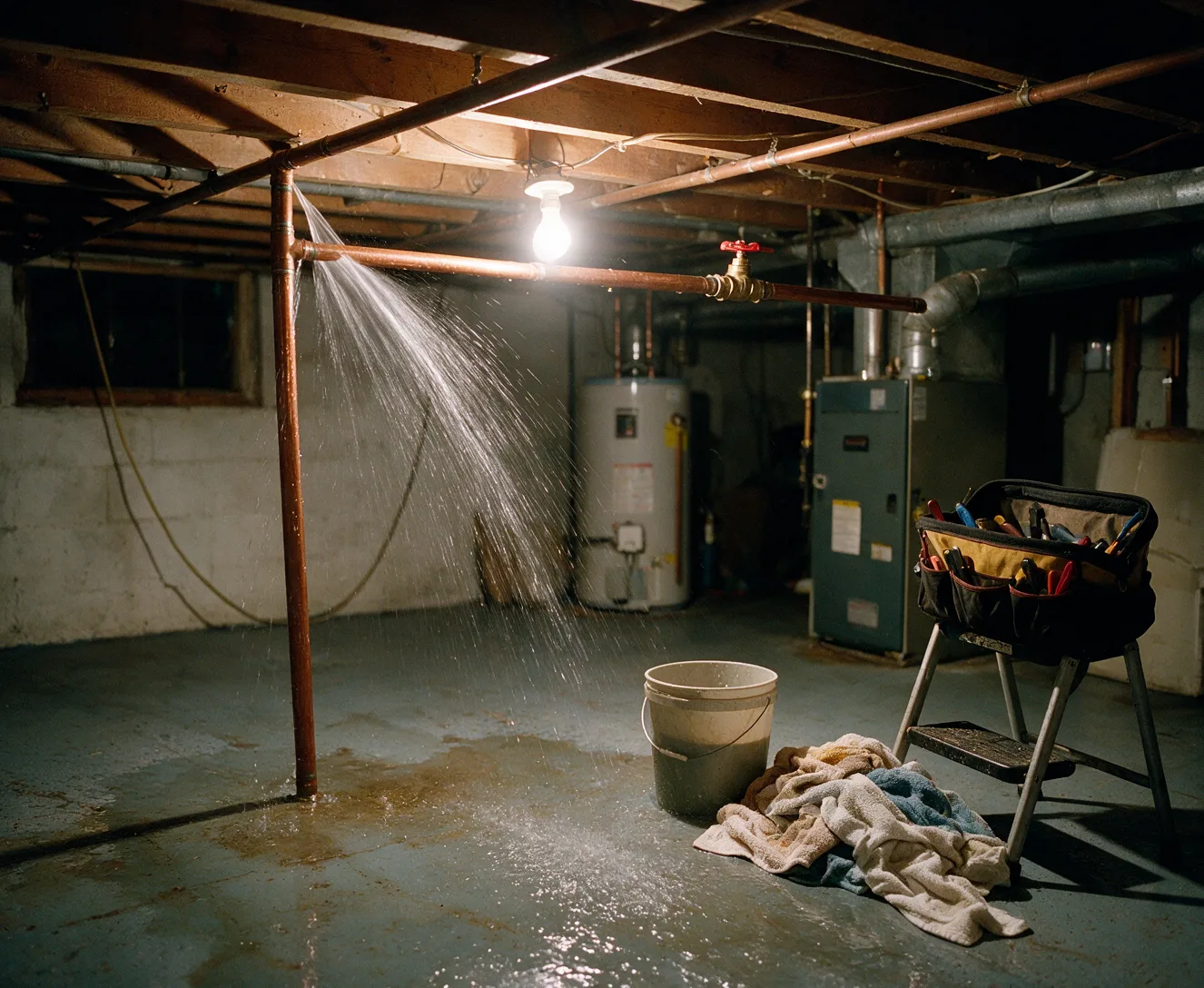
Technicians insert a camera head to view pipe walls and locate roots or cracks before any digging begins.
We shut off the main valve or individual fixture stops to limit water spread while assessing the full run.
Small sections get cut out and replaced with new fittings rather than opening entire walls when the damage stays contained.
Our technicians handle everyday plumbing failures in kitchens, bathrooms, and utility rooms. Each visit starts with a pressure test and visual check of exposed piping before any parts are opened.
We trace leaks along supply lines and drain arms by listening for running water after fixtures are turned off. Joints get tightened or sections cut out when corrosion shows on copper or galvanized pipe.
A power cable with cutting head clears soap scum and hair from tub and sink traps. Floor drains receive the same treatment when slow flow indicates buildup below the trap.
Thermostats and heating elements are tested for continuity. Sediment is flushed from the tank bottom to restore recovery time when hot water runs out quickly during showers.
Pinholes in supply tubing are located by isolating sections and pressurizing with air. Compression or soldered couplings replace the damaged length once the line is drained.
Roots are removed with a chain cutter on the cable before a new section of pipe is inserted through an access point rather than full excavation.
Frozen or corroded sections are cut back to sound material. Push-fit couplings join the new piece when soldering is not practical in tight spaces.
Flappers and fill valves are swapped in toilets when the tank continues to run after the handle is released. Aerators and cartridges are replaced in faucets to stop drips at the spout.
Old galvanized lines are replaced with PEX or copper runs pulled through existing holes where possible. Each fixture is reconnected and tested for leaks before walls are closed.
Water flowing from under a sink or toilet base after the shutoff valve is closed points to a break inside the wall or floor. Gurgling from multiple drains at once often means the main stack has backed up and needs immediate attention before sewage reaches living areas.
Locate the main shutoff near the water meter or where the line enters the foundation and turn it clockwise until it stops. Open a cold faucet on an upper floor to relieve pressure in the pipes while waiting for help to arrive.
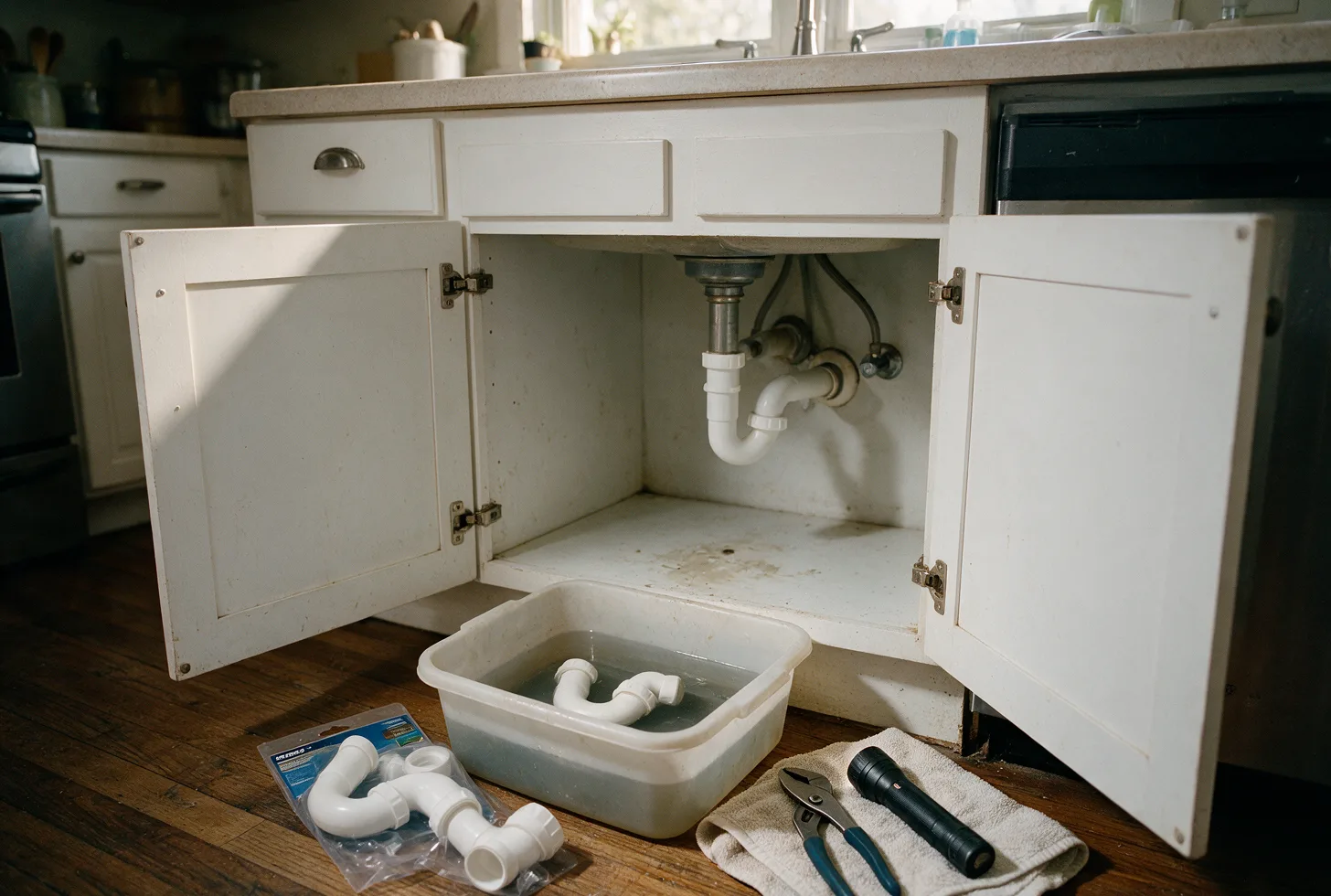
Every call follows the same sequence so the problem is identified before tools are opened and the repair is tested before we leave the property.
We confirm the main valve position and check for standing water near electrical outlets or gas lines before any further inspection begins.
Pressure gauges and a camera locate the exact point of failure in supply or drain lines without unnecessary wall removal.
The damaged section is removed and replaced with matching material, then the line is repressurized and checked at every joint.
All fixtures are run through a full cycle while we watch for drips or slow drains before closing access points.
Technicians first confirm the shutoff has held and then test pressure at multiple points to narrow the leak location. They expose the smallest area needed to reach the fitting or pipe run, then replace only the failed section before restoring water.
When multiple joints show corrosion along one run, technicians recommend replacing the entire line rather than patching repeatedly. A single pinhole in otherwise sound pipe receives a coupling or short replacement piece instead.
The length of pipe that must be exposed, the material required, and whether an access point already exists all change the time spent on the job. A leak behind finished walls adds surface repair steps that a crawl space or basement leak does not.
Sewer and main line work often requires equipment rental or extra crew members when the line runs under concrete or landscaping. Water heater repairs vary by whether the unit can be serviced in place or must be removed for element or thermostat replacement.
Galvanized pipe in older properties often restricts flow from interior rust. We isolate each branch and clear or replace only the affected sections. In rentals the property manager receives a written description of the work performed and the condition of the remaining lines.
Multiple fixtures back up at the same time and gurgling sounds come from floor drains. Toilets may overflow when a tub is drained. These signs indicate the blockage sits downstream of the house trap rather than in a single branch.
Avoid additional chemicals once a main line backs up because they can sit in the pipe and create hazardous fumes when we open the line. Water alone from a garden hose may move light clogs until we reach the site.
We isolate the supply line and use listening equipment to narrow the area before any concrete is cut. Small access holes allow the repair without removing large sections of flooring.
Yes. We test the heat exchanger for scale buildup and check the flow sensor and igniter. Descale procedures are performed on site when mineral deposits reduce output.
Most single story homes can be completed in sections over two to three days. Each room is isolated so water remains available in other areas during the work.
Shut off water if the valve is accessible and contact the property manager immediately. Document the water source with photos before any cleanup begins so the cause can be identified.
Number One Plumber of Charlotte responds when pipes burst or drains stop across the USA. Reach us now to schedule the next available technician.