
Plumbing Repair in the USA
Plumbing Repair covers leaks in supply lines, failures in drain assemblies, and corrosion in older galvanized pipe. Our technicians start by shutting off the main water valve when water is actively flowing onto floors. They then isolate the affected run by testing pressure at multiple fixtures to narrow the problem to one branch or joint.
Common materials include 1/2 inch and 3/4 inch copper for hot lines, PEX tubing for new runs behind walls, and schedule 40 PVC for drain repairs. Technicians measure existing pipe diameter with calipers before cutting so the replacement section matches flow capacity exactly. Need plumbing repair? Number One Plumber of Charlotte answers from anywhere in the USA.
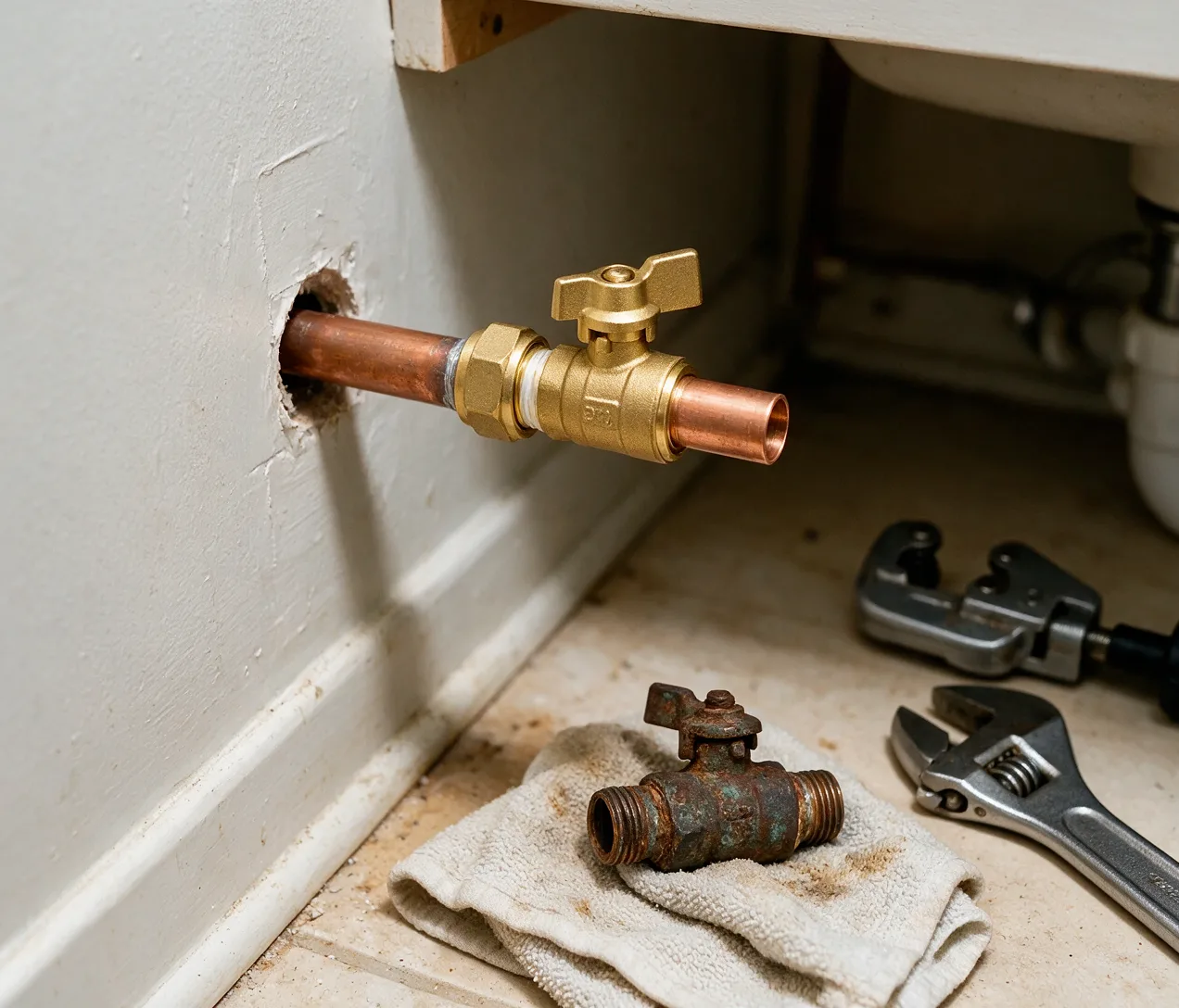
Warning Signs That Require Plumbing Repair
- Drips from shutoff valves under sinks that continue after tightening.
- Reduced water pressure at one faucet while others run normally.
- Gurgling sounds in a drain after the fixture has been used.
- Warm spots on a floor that appear when the water heater cycles.
- Sewage odor near a floor drain that grows stronger after rain.
Common Causes of Plumbing Failures
Mineral buildup narrows the inside of galvanized steel lines until flow drops and pressure surges split joints. Tree roots enter sewer lines at bell-and-spigot connections and continue to grow until the pipe collapses under load.
Thermal expansion in copper hot-water lines loosens soldered joints over time. Sediment from hard water settles in the bottom of water heater tanks and accelerates corrosion at the outlet nipple.
Improper slope on drain lines allows solids to settle and form blockages that back up into tubs or showers. Plastic P-traps crack when exposed to drain cleaners that contain sulfuric acid.
What Technicians Measure and Inspect
Technicians check static water pressure at the main shutoff and again at the farthest fixture to locate restrictions. They camera sewer lines from the cleanout to record root intrusion, pipe grade, and any offset joints.
They listen for running water inside walls with an acoustic amplifier and mark the route with a stud finder before opening drywall. Temperature at the water heater outlet is measured to confirm the dip tube has not failed.
Each visible trap is removed and examined for hair, grease, and foreign objects. Toilet flange bolts are checked for rust that allows the bowl to rock and crack the wax seal.
Repair and Replacement Choices
Small pinhole leaks in copper are cut out and replaced with a new coupling or a short stub piece. When multiple joints fail, the entire branch is repiped in PEX from the main to the fixture to eliminate future weak points.
Drain cleaning begins with a manual auger sized to the line diameter. If roots are present, technicians install a cleanout fitting so future access does not require cutting finished surfaces.
Water heater leak repair may involve replacing the anode rod, the temperature-pressure relief valve, or the entire tank if the bottom has rusted through. All new connections are pressure tested at 80 psi before walls are closed.
What Homeowners Should Do First
Locate the main shutoff valve, usually near the water meter, and turn it clockwise until it stops if water is flooding. Open a cold faucet on an upper floor to relieve pressure in the lines.
Place a bucket or towels under any visible drip and avoid running water through the affected fixture. Note the exact location of the leak and any recent work done on the plumbing so technicians can start at the right point.
Keep children and pets away from standing water near electrical outlets. Do not pour chemical drain openers into the line before help arrives because these products can damage newer plastic piping.
Plumbing Repair questions
How do you find a leak behind a wall?
Technicians use an acoustic listening device to detect the sound of water escaping the pipe. They also check moisture levels in drywall with a meter and may cut a small inspection hole to confirm the exact joint or section that failed.
Can you repair a pipe without opening the wall?
Some small leaks on exposed lines can be clamped or replaced through an existing access panel. When the line runs inside a finished wall, a targeted opening is made and later patched so the repair remains hidden.
What pipe material is used for most repairs?
PEX tubing is installed for new supply runs because it bends around corners without fittings. Copper is used where soldering is required at the connection point. PVC handles drain and vent repairs below grade or in crawl spaces.
Should I turn the water off before you arrive?
Yes. Closing the main valve stops additional water from entering the damaged section. Leave one cold faucet open on an upper floor so pressure drops and any remaining water drains out of the lines before work begins.
Request Plumbing Repair
Contact our technicians for an assessment of your plumbing issue.