Our technicians start every visit by tracing water flow from the main shutoff through supply lines to each fixture. They check for corrosion on joints, test pressure at multiple points, and listen for unusual sounds inside walls. This step by step approach reveals whether a problem stays isolated to one room or runs through the entire system.
Homeowners can first note exact symptoms such as standing water in a tub, sudden drops in pressure when two faucets run together, or rust flakes in the sink. These details help narrow the cause before arrival. Our team then brings the correct tools and replacement parts based on those observations rather than guessing at the job site. Every service below is available from Number One Plumber of Charlotte across the USA.
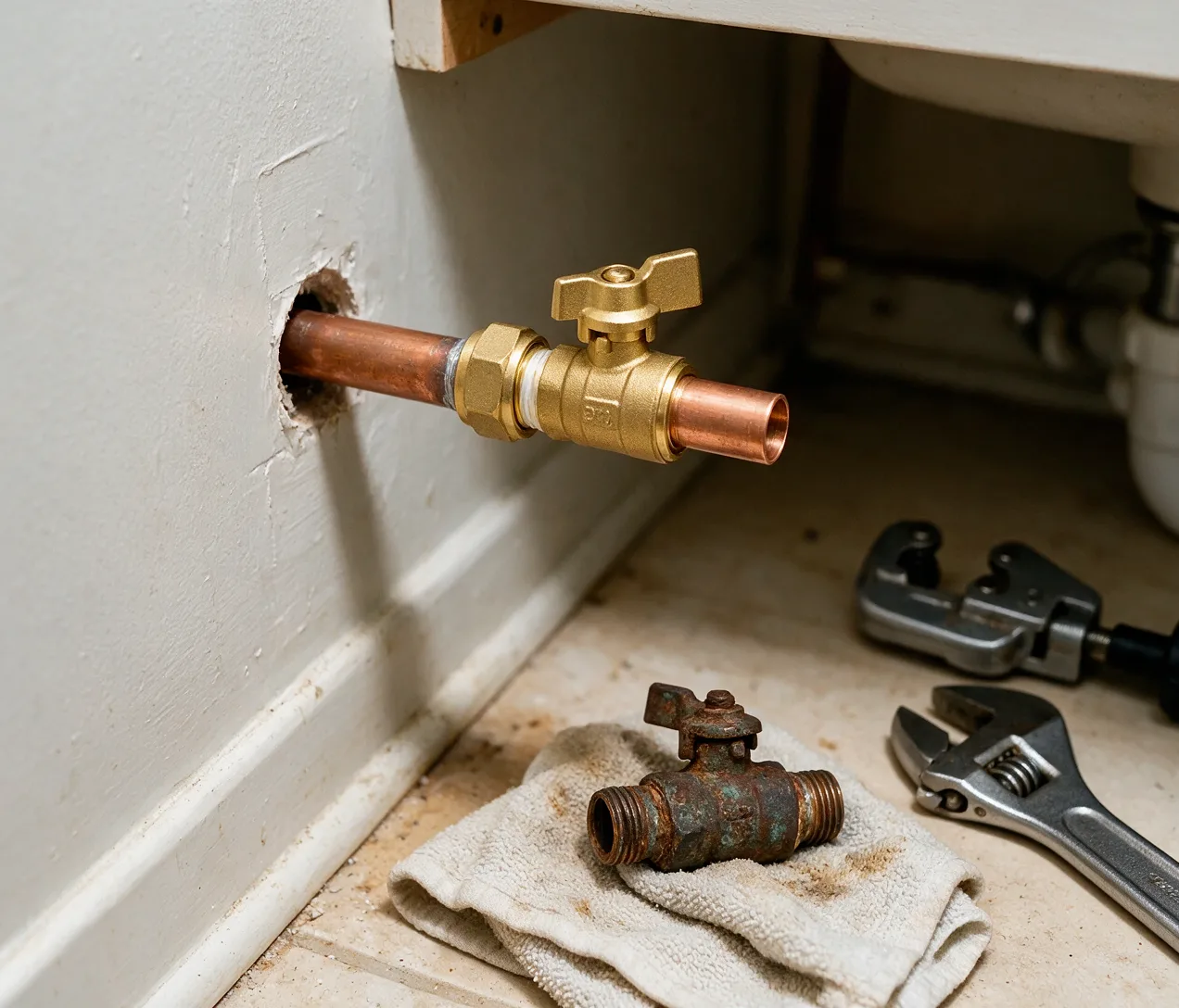
Technicians examine threaded fittings, soldered joints, and compression connections for seepage or green oxidation. They test each valve by turning it fully on and off while watching for drips at the stem. Homeowners should shut off the closest isolation valve before calling if water is actively pooling.
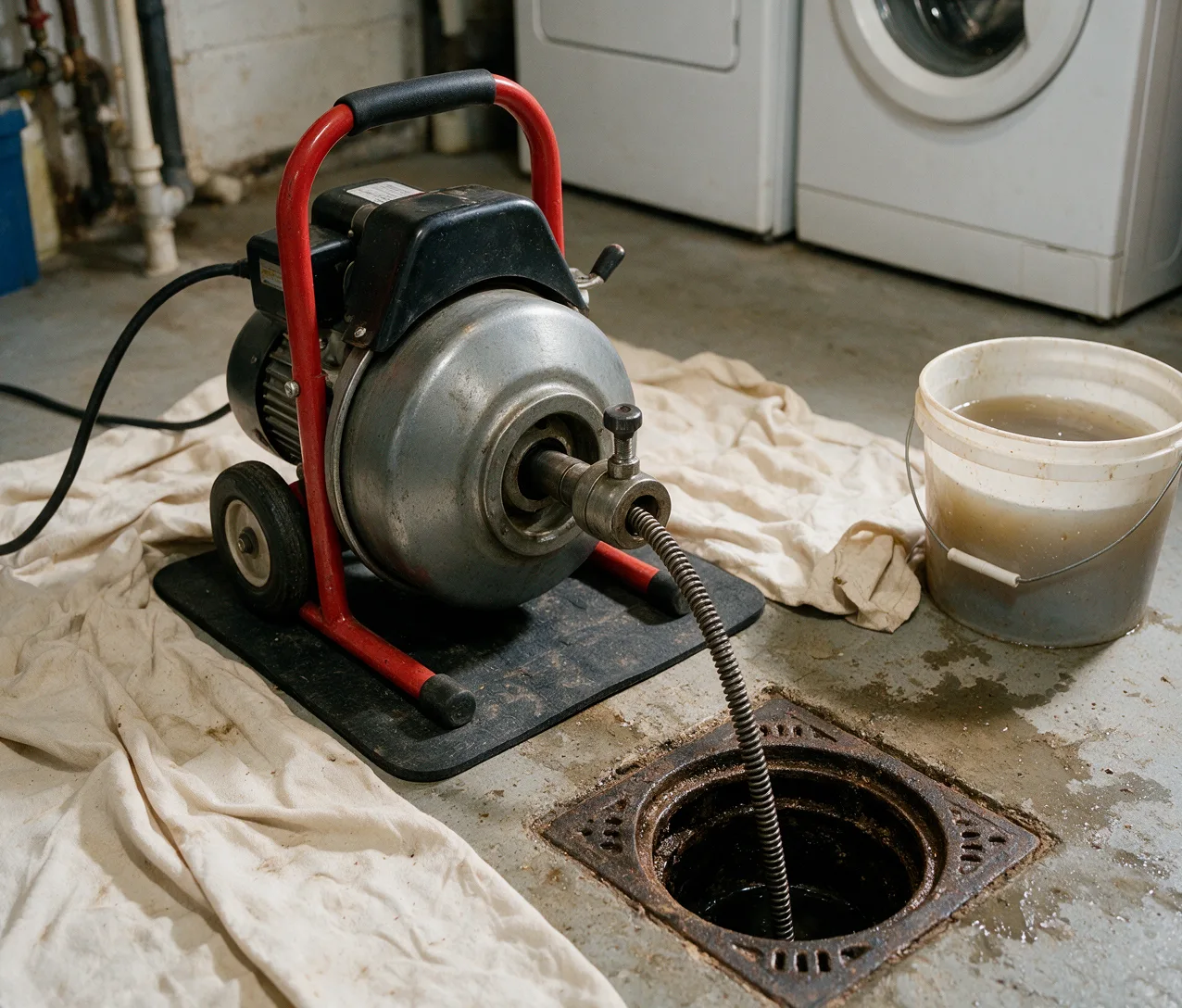
Slow drains often trace to partial blockages from soap scum, hair mats, or grease buildup inside the trap or farther down the branch line. Technicians run a camera through the cleanout to measure the obstruction length and material. A plunger can clear a simple trap clog, but repeated backups point to the main line.
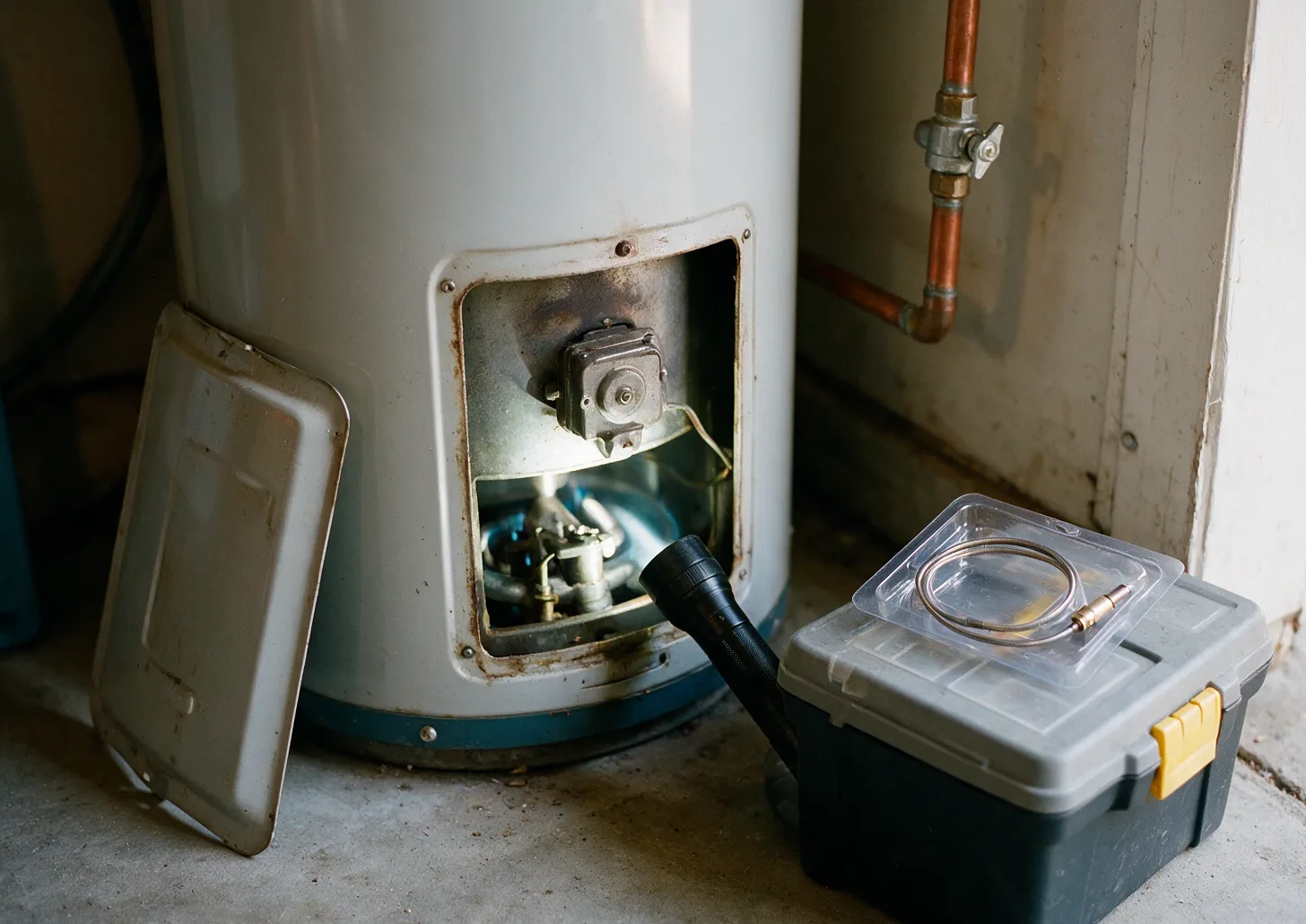
When hot water runs out quickly or stays lukewarm, the dip tube, heating element, or thermostat usually needs inspection. Technicians drain a few gallons to check sediment levels and test voltage at the upper and lower elements. Homeowners can confirm the pilot light stays lit and the temperature dial setting before requesting service.
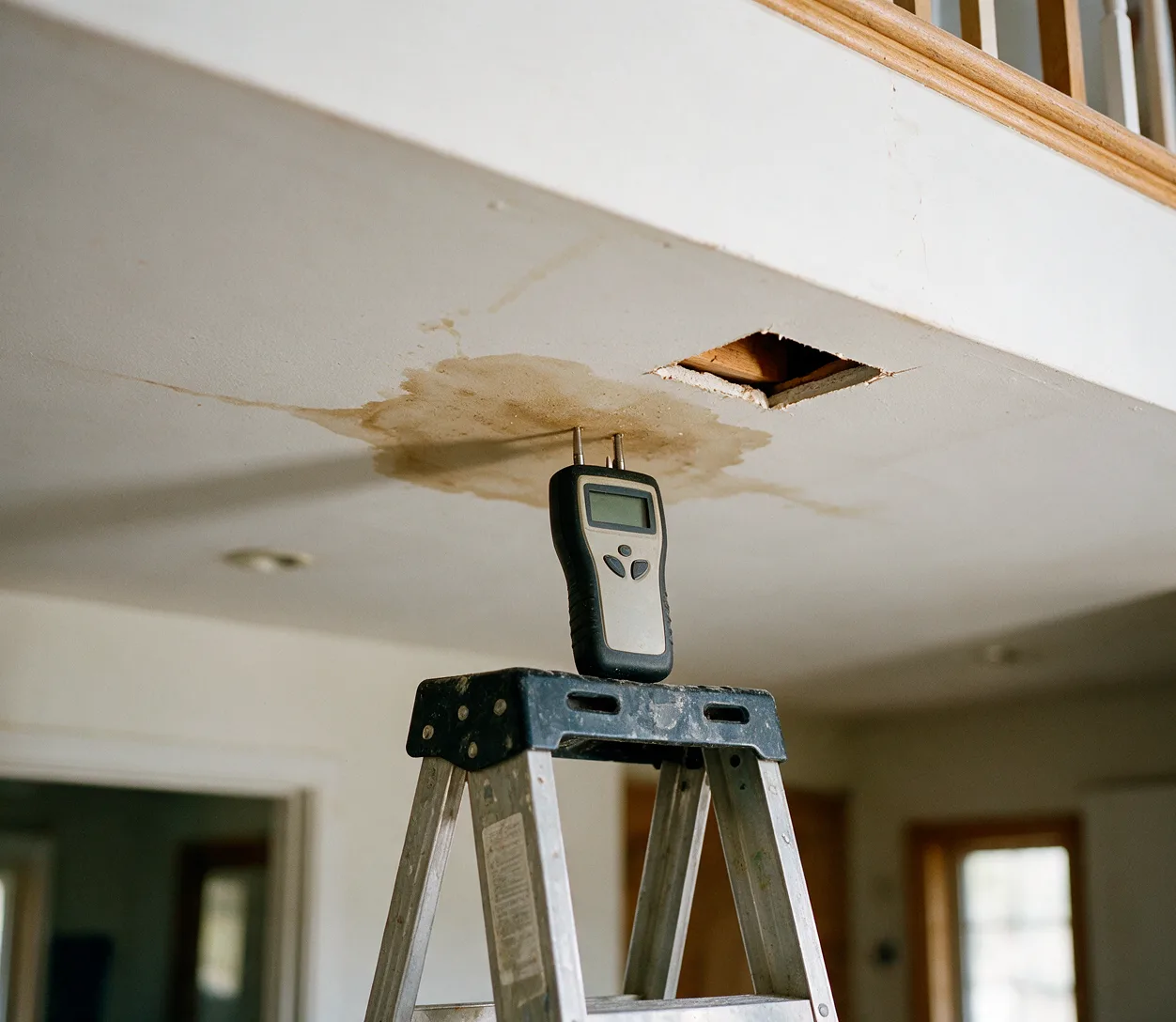
Hidden leaks show up as ceiling stains, musty odors near baseboards, or unexplained spikes in the water meter reading. Technicians isolate sections by shutting valves one at a time and use moisture meters on drywall. Turn off the main supply and open a cold faucet to relieve pressure until help arrives.
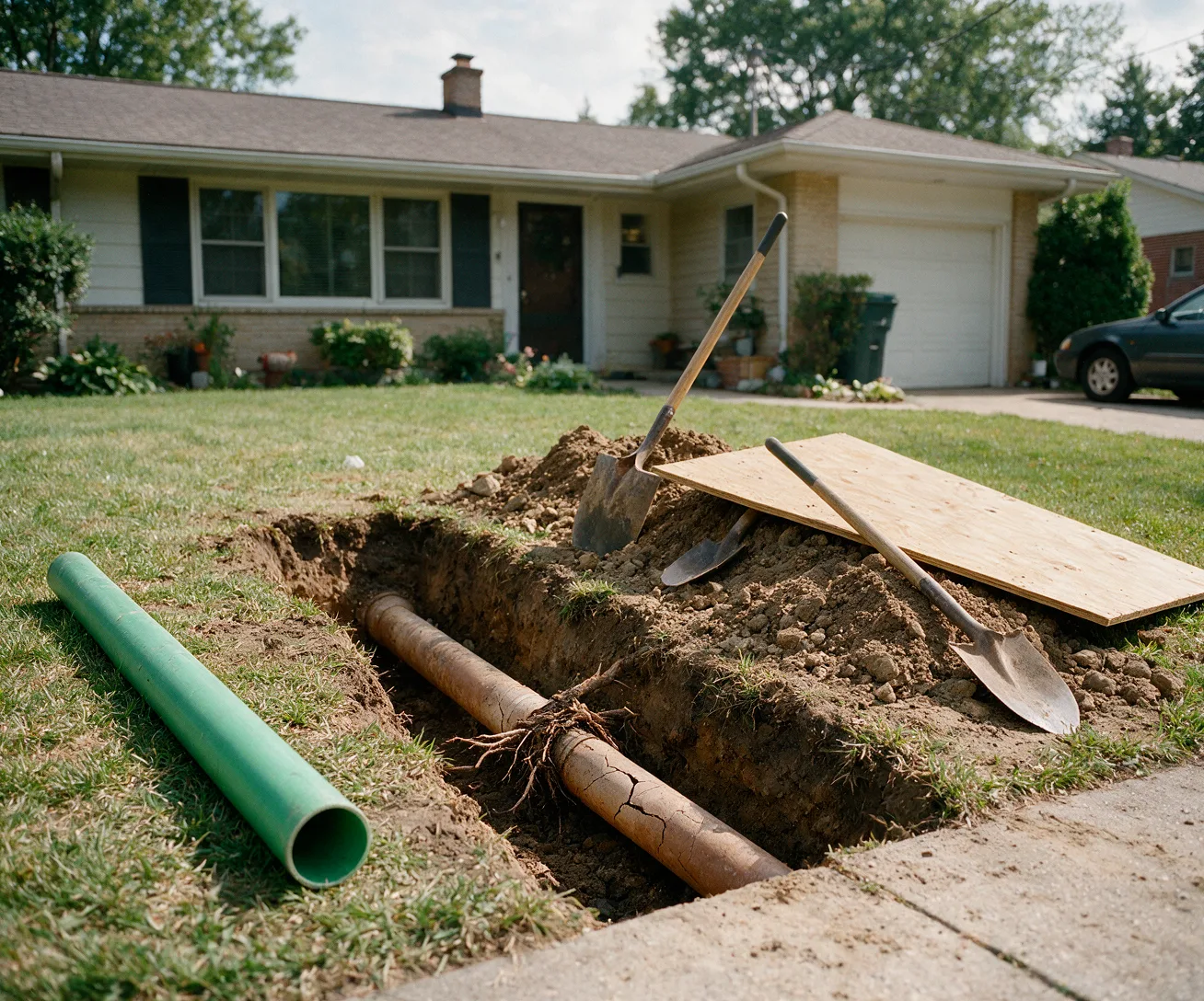
Multiple fixtures backing up at once or gurgling sounds in the toilet when the washing machine drains indicate a main sewer obstruction or break. Technicians locate the cleanout, run a camera, and measure distance to the problem. Tree roots or collapsed clay pipe sections require excavation or trenchless methods.
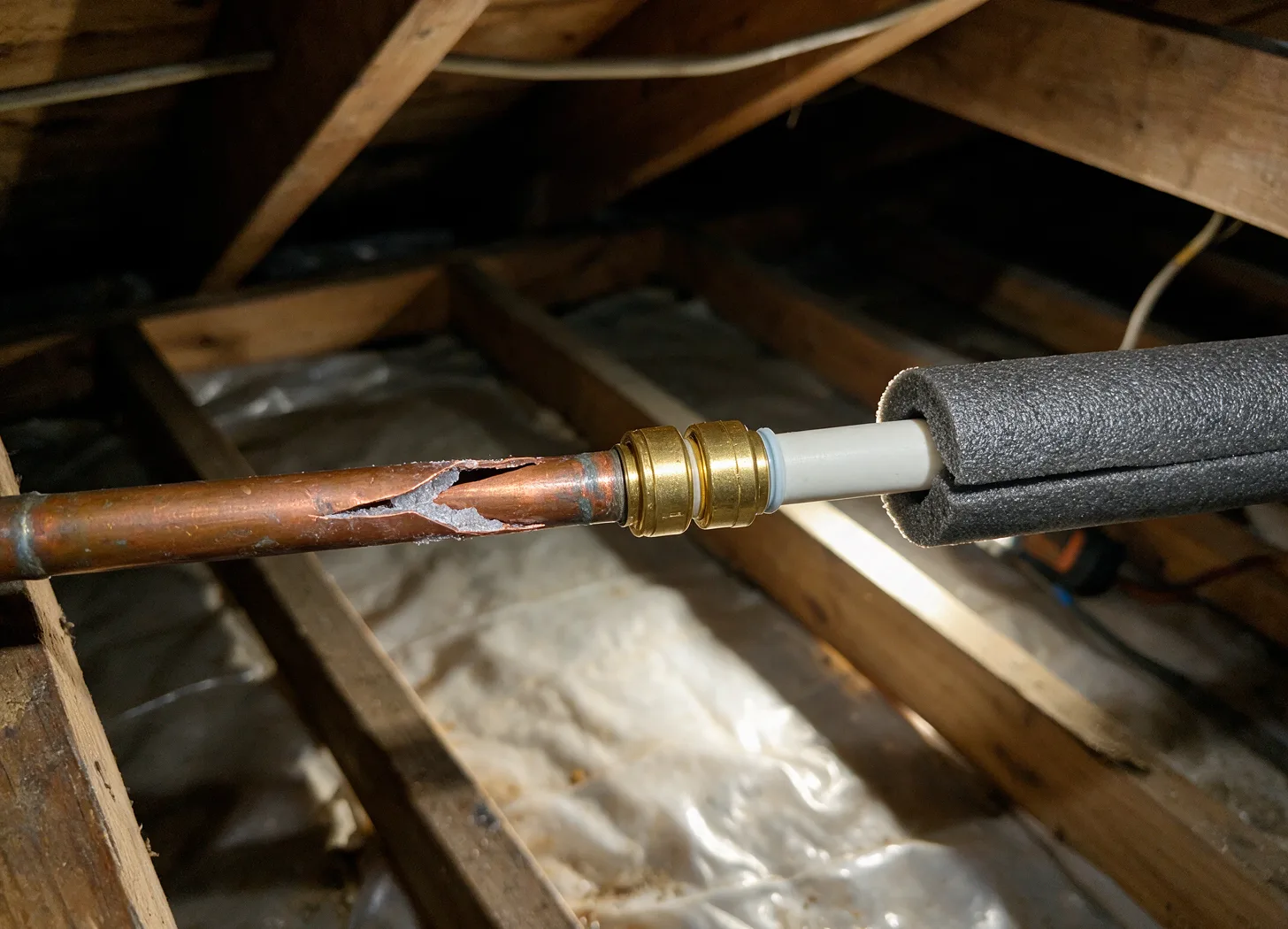
Galvanized steel develops pinholes from internal rust while copper develops leaks at elbows from vibration. Technicians cut out the damaged section, ream the ends, and solder or press new fittings. Homeowners should mark the exact location of any visible moisture on the pipe before the visit.
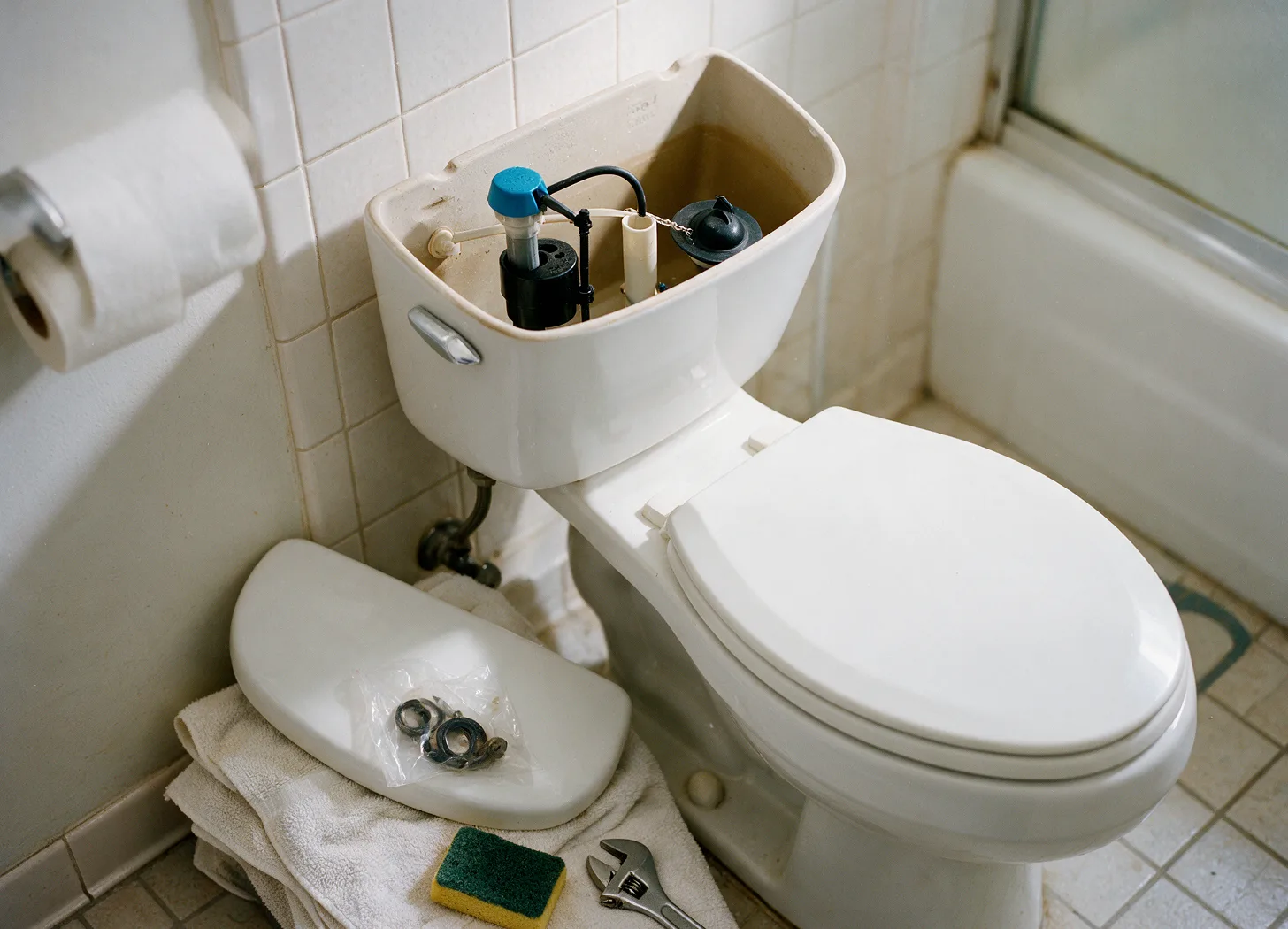
Running toilets usually come from a worn flapper or misadjusted float level that lets water seep into the bowl. Dripping faucets result from cartridge wear or seat erosion. Technicians replace the internal parts rather than the whole fixture when the body remains sound.
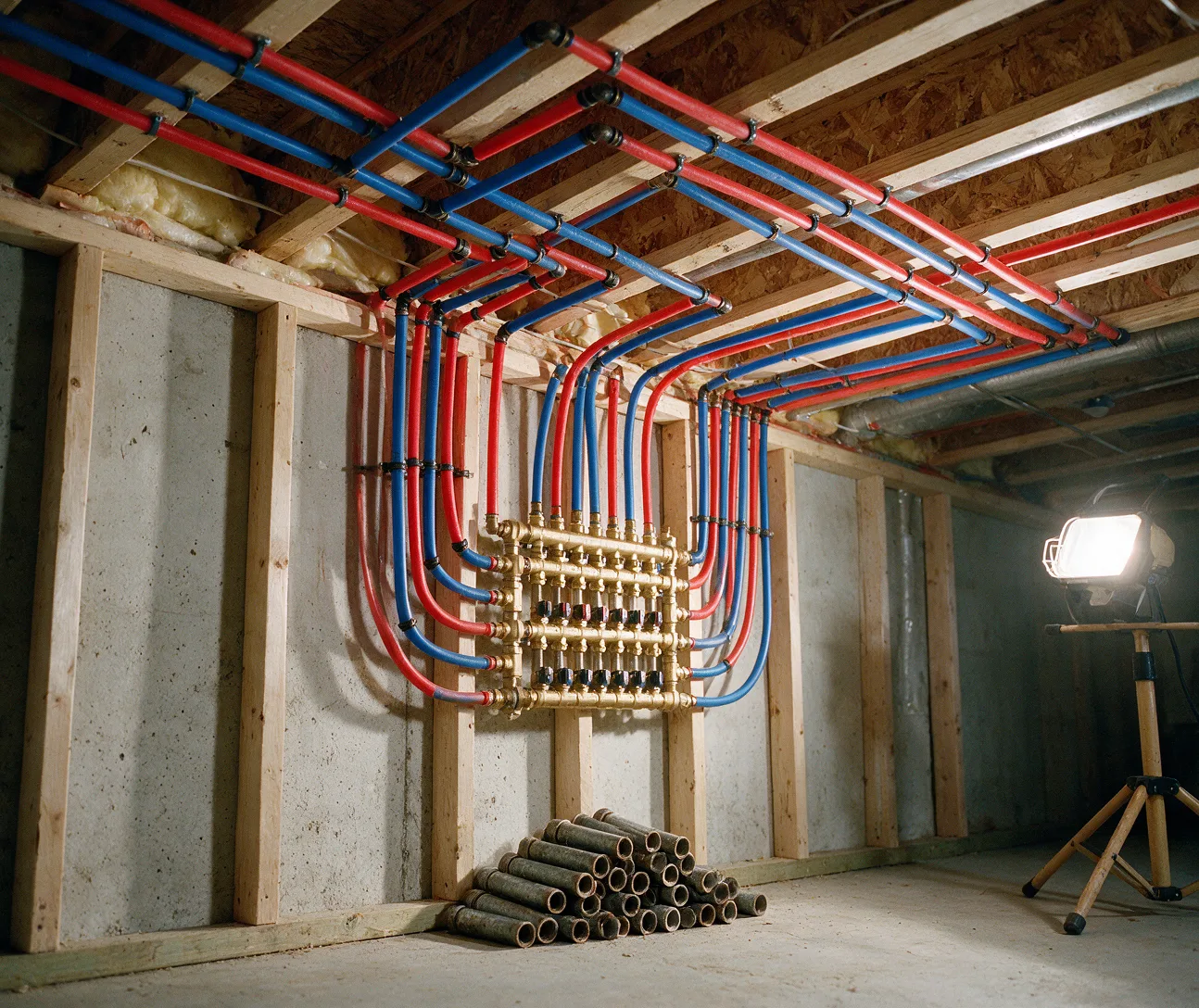
Low pressure throughout the house or frequent pinhole leaks signal widespread pipe corrosion. Technicians map the existing layout, choose access points through walls or ceilings, and pull new PEX or copper lines. They test each new run with air pressure before restoring water service.
Matching symptoms to the right service
Standing water around a single fixture points to a local leak or drain clog while loss of hot water across all taps points to the water heater. Multiple slow drains or sewage smells suggest the sewer line. Note which fixtures are affected and whether the issue happens only with hot water or only after heavy rain.
If pressure drops when two fixtures run at once the supply pipes need checking. If the meter spins with all valves closed a hidden leak exists. Record these patterns and shut off the main valve only if water is actively flooding a room. This information lets technicians bring the correct equipment on the first visit.