
Sewer Line Repair in the USA
Sewer lines carry waste away from the house through buried pipes that can crack or clog over time. Our technicians respond when backups reach fixtures or yard cleanouts. They start by asking about recent heavy rains or tree work near the line before any tools come out.
Homeowners can shut off water at the main valve to limit additional flow into the system and avoid flushing toilets until help arrives. This step keeps the mess contained while measurements and camera work begin outside. Calls about sewer line repair reach Number One Plumber of Charlotte from all over the USA.
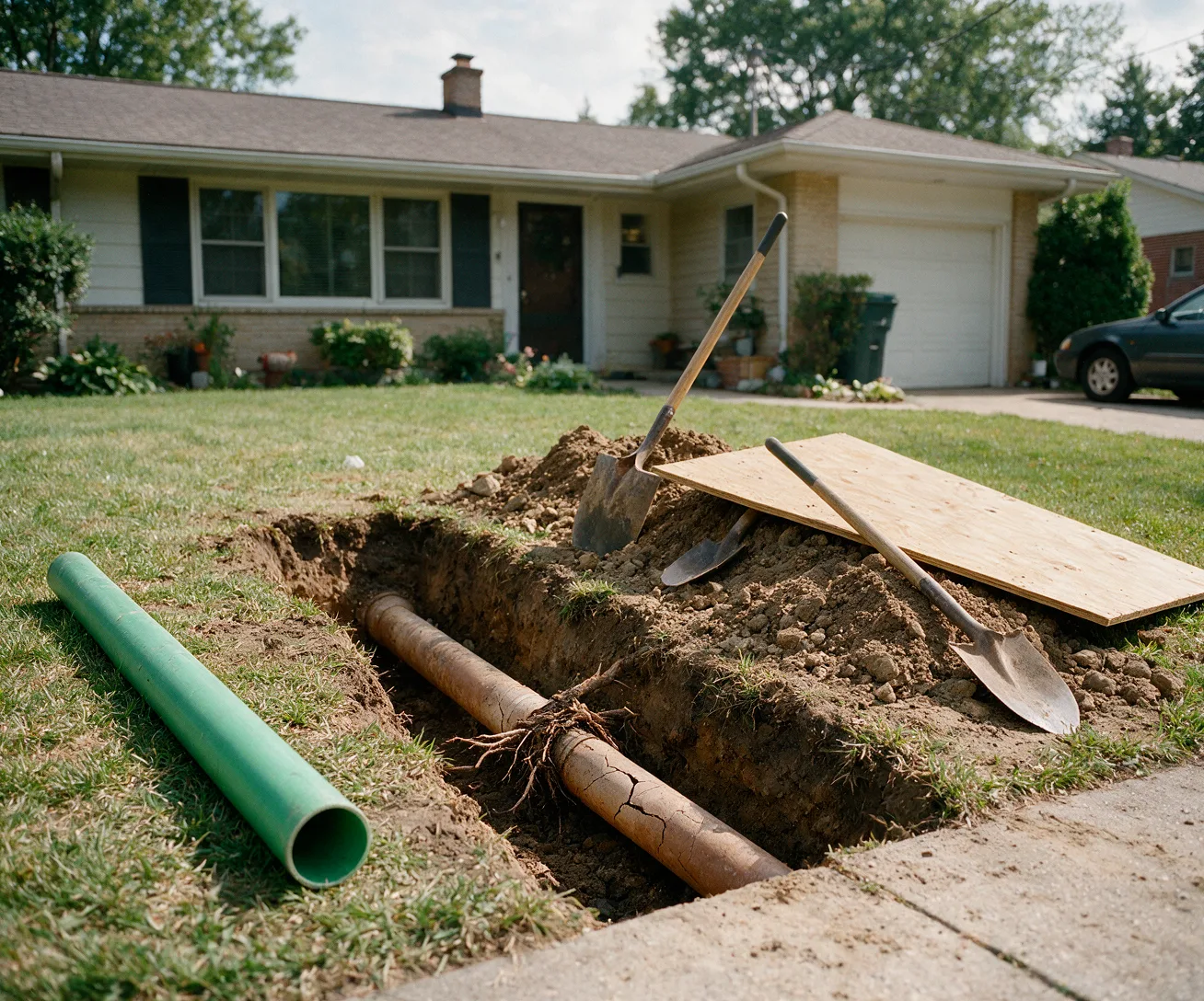
Common Warning Signs
- Multiple fixtures drain slowly at once
- Gurgling sounds from lower floor drains
- Sewage odor near basement floor drains
- Soft spots in yard along pipe path
- Water rises in tub when toilet flushes
Causes of Line Failure
Tree roots seek moisture and enter joints in older clay or concrete pipe. Once inside they expand and create blockages that pressure can worsen over seasons. Soil movement from freeze thaw cycles also separates joints and allows dirt to enter the flow.
Heavy vehicles parked over the line can crush older materials or shift alignment. Grease buildup from kitchen drains combines with these physical problems and turns partial restrictions into complete stops. Our technicians note these patterns when they review the history of the home.
Inspection Steps
Technicians locate the cleanout and run a camera head through the pipe while recording distance and slope readings. They measure standing water depth at several points and note any offset joints or root intrusions on the video. These readings show whether the line still holds proper fall toward the street or septic tank.
They also check vent stacks on the roof to confirm air can enter and prevent vacuum that slows flow. Surface signs like sunken grass lines help confirm the route before any digging starts. All findings are explained at the access points so the owner sees the exact problem location.
Repair and Replacement Options
Sectional repair replaces only the damaged length with new PVC pipe connected by rubber couplings rated for underground use. Pipe bursting pulls a new pipe through the old route when the entire run has failed but excavation must stay minimal. Both methods require proper bedding material under the new pipe to maintain slope.
For isolated root problems a powered cutting head clears the line first, followed by a liner that seals small cracks without full replacement. Technicians choose the approach after the camera review shows the pipe material and remaining length to the main connection.
Materials and Homeowner Prep
Schedule 40 PVC is used for most residential replacements because it resists root intrusion and maintains smooth walls. Cast iron sections are still available when matching an existing stack or when local codes require it for fire rating. Rubber gaskets and stainless steel bands secure every joint against movement.
Before arrival the homeowner should clear a path from the cleanout to the street and move vehicles off the suspected line. Marking sprinkler heads or shallow utilities prevents extra damage during any necessary access. These steps let work begin without delay once the truck is on site.
Sewer Line Repair questions
How do you find the exact break without tearing up the whole yard?
A camera head travels the line from the cleanout while distance is tracked on the reel. The image shows the fault location so only that section is exposed for repair or replacement.
Can roots be removed without replacing the pipe?
Powered cutting tools clear roots on the first visit. If the joints remain open after cleaning a liner or sectional replacement follows to keep roots from returning.
What pipe material lasts longest underground?
PVC resists corrosion and root entry when properly bedded. Cast iron is chosen only when matching existing stacks or when codes require added strength at certain depths.
Should I keep running water while waiting for the technician?
No. Shut the main valve to stop additional flow into the line. This limits backup volume and keeps the problem from spreading to other fixtures.
Schedule Sewer Line Repair
Contact us to have technicians inspect the line and explain repair choices suited to the pipe material found.