
Water Heater Repair in the USA
Water heaters fail when scale hardens inside the tank or when the anode rod dissolves completely. Our technicians arrive with flush pumps and element pullers to clear debris from the bottom before it blocks the drain valve. They check whether the dip tube has cracked and is sending cold water straight to the outlet.
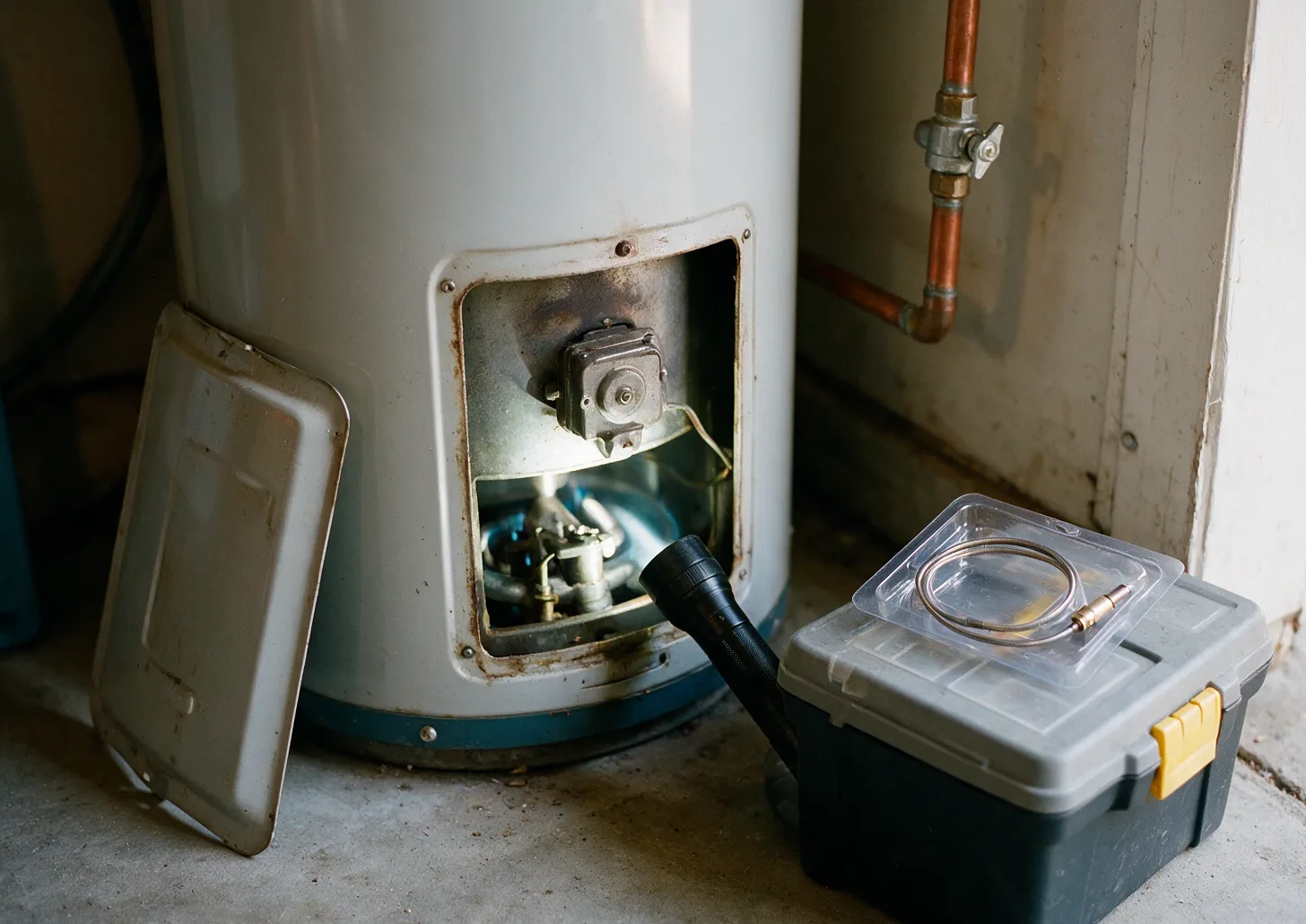
Electric models lose heat when one of the two elements burns out while gas units stop when the thermocouple weakens or the burner orifice clogs with dust. We carry replacement elements, gaskets, and thermocouples on the truck so the unit can often be restored the same visit without removing the tank. Number One Plumber of Charlotte takes water heater repair calls from homeowners across the USA.
Warning Signs
- Water stays lukewarm even after long recovery time
- Rusty or metallic flakes appear at hot faucets
- Tank makes popping or rumbling during heating cycles
- Moisture collects at the base or around connections
- Pressure relief valve drips steadily or after heating
Common Failure Points
Sediment settles in layers that insulate the bottom of the tank from the burner or lower element. This forces the unit to run longer and raises the chance of overheating the metal. Technicians open the drain valve and use a wet vac to remove the packed material before testing further.
The anode rod corrodes first to protect the steel tank walls. Once it is gone the tank walls begin to pit. Our technicians unscrew the anode port on top and measure the remaining rod length to decide whether replacement will extend service life or whether the tank must come out.
Heating elements scale over and the sheath cracks allowing water into the wiring. Gas valves lose calibration and deliver the wrong flame height. We test each part with a multimeter and manometer before quoting any repair.
Inspection Steps
Technicians first shut the cold inlet and relieve pressure through the relief valve. They then check voltage at the upper and lower elements or verify gas pressure at the valve. Temperature is measured at the outlet pipe and compared to the thermostat setting.
The draft hood on gas units is inspected for proper draw and the vent pipe is checked for backdrafting that can send carbon monoxide into the room. Electric units have their breakers and wiring lugs tightened and insulation checked for heat damage.
We also examine the expansion tank and its air charge because a failed bladder allows pressure spikes that crack the relief valve or tank seams. All findings are recorded before any parts are ordered.
Repair Versus Replacement Choices
When the tank shell remains sound we replace burned elements or install a new anode and flush the tank. We also swap the dip tube and re-seat the relief valve. These steps restore operation without moving the water lines.
If the tank shows active leaks at the seams or the glass lining has failed we recommend full replacement. The new unit is connected with dielectric nipples and flexible water connectors to limit future corrosion at the joints.
Gas models receive a new thermocouple and burner assembly when those parts test faulty. Electric models receive matched upper and lower elements plus a new thermostat to keep recovery times normal.
Homeowner First Steps
If water is pooling around the tank turn the cold supply valve clockwise until it stops. For electric units flip the breaker that feeds the heater. For gas units turn the valve on the supply line to the off position. Do not attempt to relight the pilot until a technician arrives.
Write down the model number and gallon capacity from the data plate. Note whether the water is completely cold or only warm and whether the issue started suddenly or gradually. This information helps our technicians select the correct parts before travel.
Water Heater Repair questions
How long does a typical water heater repair take?
Element swaps or anode replacements usually finish in under two hours once power or gas is isolated. Full tank replacements take three to four hours because the old unit must be drained and the new one filled and purged of air before restoring service.
Can I flush the tank myself to fix noises?
Homeowners can attach a hose to the drain valve and open it briefly but scale often packs solid and will not clear without a circulating pump. Repeated flushing also risks cracking a weakened tank if pressure changes suddenly.
What parts are replaced most often during water heater repair?
Lower heating elements on electric units and thermocouples on gas units fail first. Anode rods and temperature pressure relief valves follow. We stock these along with gaskets and dielectric nipples to complete most repairs in one visit.
Is it better to repair or replace an older unit?
Tanks older than ten years with active leaks or heavy internal scale are replaced because repairs only delay failure. Sound tanks under eight years old receive targeted part swaps that restore normal operation at lower cost than a new unit.
Request Water Heater Repair
Tell us the age of the unit and current symptoms so our technicians can bring the correct parts.