
Leak Repair in the USA
Water leaks often start at joints where pipes connect or at valves that control flow to fixtures. Corrosion eats through copper tubing over time while shifting soil cracks PVC lines under slabs. Our technicians trace the path of water from the source using moisture meters and pressure gauges before any opening of walls or floors occurs.
Homeowners notice rising water bills or musty odors near baseboards first. A single pinhole can release gallons per day once it forms. We carry replacement sections of copper, PEX and CPVC plus compression and shark bite fittings so repairs match the existing pipe material and diameter. For leak repair, Number One Plumber of Charlotte works across the USA.
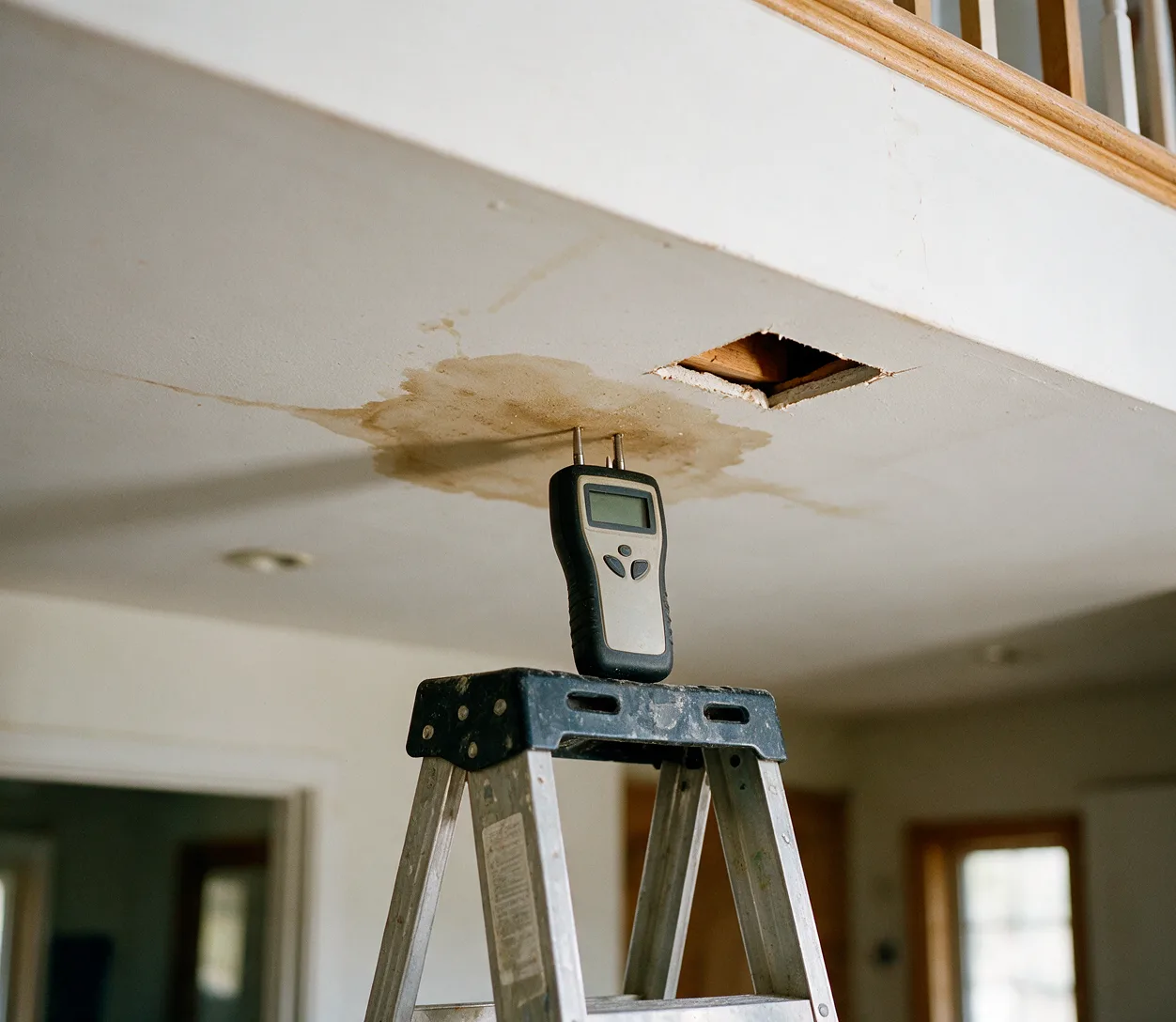
Warning Signs of a Leak
- Damp spots appear on drywall or hardwood floors near plumbing runs.
- The water meter spins when every fixture and appliance is turned off.
- A constant dripping sound comes from behind walls or under cabinets.
- Low water pressure at one sink while other outlets remain strong.
- Warm floors in one area signal a hot water line leak beneath the slab.
Common Causes of Household Leaks
Pinhole leaks develop in copper when acidic water removes the protective layer inside the pipe. The same water can erode solder joints at elbows and tees. Our technicians test water pH and hardness during every visit so they can recommend dielectric unions or epoxy lined pipe where corrosion risk stays high.
Tree roots enter sewer laterals at bell joints and create backups that push water out of cleanouts or fixtures. Slab leaks occur when the fill beneath the foundation settles and stresses rigid copper or galvanized lines. We use acoustic listening devices and thermal cameras to pinpoint the break without removing large sections of concrete.
How Our Technicians Diagnose Leaks
We isolate sections of the plumbing system with shutoff valves and attach a pressure gauge to each zone. A drop of more than five pounds in thirty minutes tells us exactly which branch contains the leak. Camera inspection follows on drain lines while supply lines receive helium or nitrogen tracing when the leak stays hidden.
Technicians measure the distance from the last accessible fitting to the suspected point using pipe locators. They record flow rates at the meter before and after isolating fixtures. These numbers guide the decision between a spot repair and a longer repipe of the affected run.
Repair Methods and Materials We Use
For accessible copper we cut out the damaged section and solder a new piece with lead-free solder. PEX lines receive crimp or expansion fittings rated for the same pressure class. Slab leaks often require tunneling from the perimeter or installing a new manifold and rerouting lines through the attic to avoid further concrete work.
We carry shark bite push fit connectors for quick temporary isolation and brass compression sleeves for permanent underground joints. Dielectric nipples prevent galvanic corrosion when connecting copper to steel water heaters. Every repaired section receives a second pressure test before walls are closed.
Steps to Take Before Our Arrival
Locate the main shutoff valve usually near the water heater or where the service line enters the house. Turn it clockwise until it stops and open a hose bib to drain pressure from the system. Place towels or a bucket under any visible drip to protect flooring until the technician arrives.
Note which fixtures still have water and which have lost pressure. This information helps our team decide the first place to begin testing. Avoid using the disposal or flushing toilets once the main valve is closed so additional water does not enter the drain lines.
Leak Repair questions
How do you find a leak under a concrete slab?
Technicians attach pressure gauges to isolate the line then use acoustic sensors and infrared cameras to locate the temperature or sound change. Small access holes are drilled only after the exact spot is marked so concrete removal stays limited.
Can a leak be fixed without cutting into walls?
Many supply line leaks allow access through cabinets or exterior walls. When the line runs behind finished surfaces we use epoxy lining or pull new PEX through the old pipe so drywall stays intact except at the two end points.
What pipe material works best for a permanent fix?
Copper remains reliable above ground when water chemistry is neutral. PEX offers flexibility and freeze resistance for repipes. We match the replacement material to the original pipe size and the home's water pressure to avoid future joint failures.
Will turning off the main valve stop all water flow?
Yes the main valve stops supply to the entire house. Water already in the pipes will drain from open fixtures but no new water enters. This prevents further damage until the repair crew arrives with the correct parts.
Request Leak Repair Service
Call Number One Plumber of Charlotte to schedule Leak Repair across the USA before hidden moisture causes further damage.