
About Number One Plumber of Charlotte
We receive calls describing water issues like slow drains or pressure drops. Technicians ask targeted questions about recent changes in the home and note fixture locations. They arrive with basic tools to check shutoff valves and run tests on hot and cold lines. Findings get explained at each step so the homeowner understands the cause before any repair starts.
Questions about a job? Start on the Number One Plumber of Charlotte homepage or call (888) 205-8601.
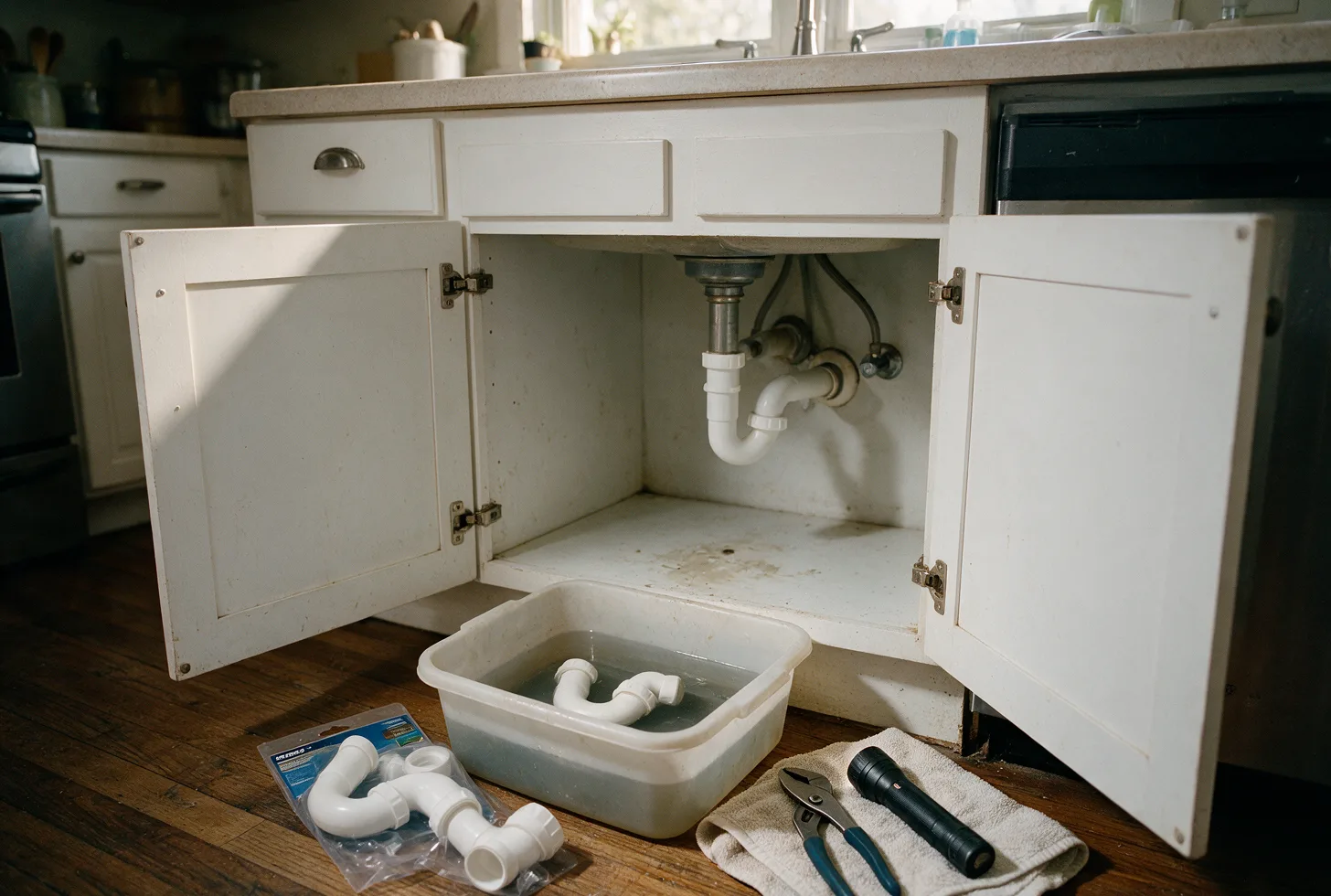
Symptom Listening
We note every detail about fixture behavior and recent changes before planning the visit. This shapes the tools chosen for the job.
Step by Step Checks
Technicians test one line at a time and mark findings for the homeowner to see. Each check builds on the last without skipping sections.
Clear Options
Findings and repair choices are shown directly. The homeowner picks the method that fits the situation after hearing the details.
Clean Work Area
All debris and cut materials leave the site. Floors and walls are restored so the home functions normally once the crew departs.
Taking Service Calls
Calls come in with details about the problem such as bubbling in the tub or leaking under the sink. We record the type of fixture involved and any recent work done on the system. Technicians note whether the issue affects one area or multiple rooms to decide which tools to bring. This information helps them prepare the right approach for the job.
Homeowners can safely turn off the main water valve if water is actively spilling. We confirm the location of that valve during the call. Technicians also ask about the age of the pipes and whether the home has a septic or city sewer connection. These facts guide the initial inspection once on site.
Inspecting the System
Technicians start by checking the main shutoff and visible supply lines for corrosion or loose fittings. They open faucets one at a time to watch flow rate and listen for hammering in the walls. Any odor from drains gets traced back to possible vent or trap problems. This step identifies whether the issue is isolated or part of a larger line failure.
Camera inspection enters the picture when water backs up in multiple fixtures. The tool shows blockages or pipe separation without digging. Technicians mark problem spots on the line so the homeowner can see the exact location of the trouble. Each section of pipe gets tested for proper slope and material condition.
Explaining Findings
After the inspection technicians point out the damaged section and show any photos or camera footage. They describe how a cracked pipe lets soil enter the line and what that does to flow. Options for repair get laid out clearly including whether a section needs replacement or if a spot fix will hold. The homeowner decides how to proceed.
We outline the steps required such as accessing the pipe through a wall or floor opening. Technicians note what materials will be used and how long the water will stay off. Questions about the plan receive direct answers before tools come out. This keeps the process transparent at every stage.
Finishing the Job
Once the repair is complete technicians run water through the system and check every joint for drips. They replace any drywall or flooring sections removed during access. All debris from cutting or threading pipe gets swept up and removed from the work area. The space is left ready for normal use.
Homeowners receive a walk-through of the repaired section and any nearby valves that were operated. Technicians point out simple steps to monitor the fix such as watching the floor for moisture over the next few days. Tools and equipment leave with the truck. The site stays clean and functional.